Dwarakamai Bricksద్వారకామాయి ఇటుకలు
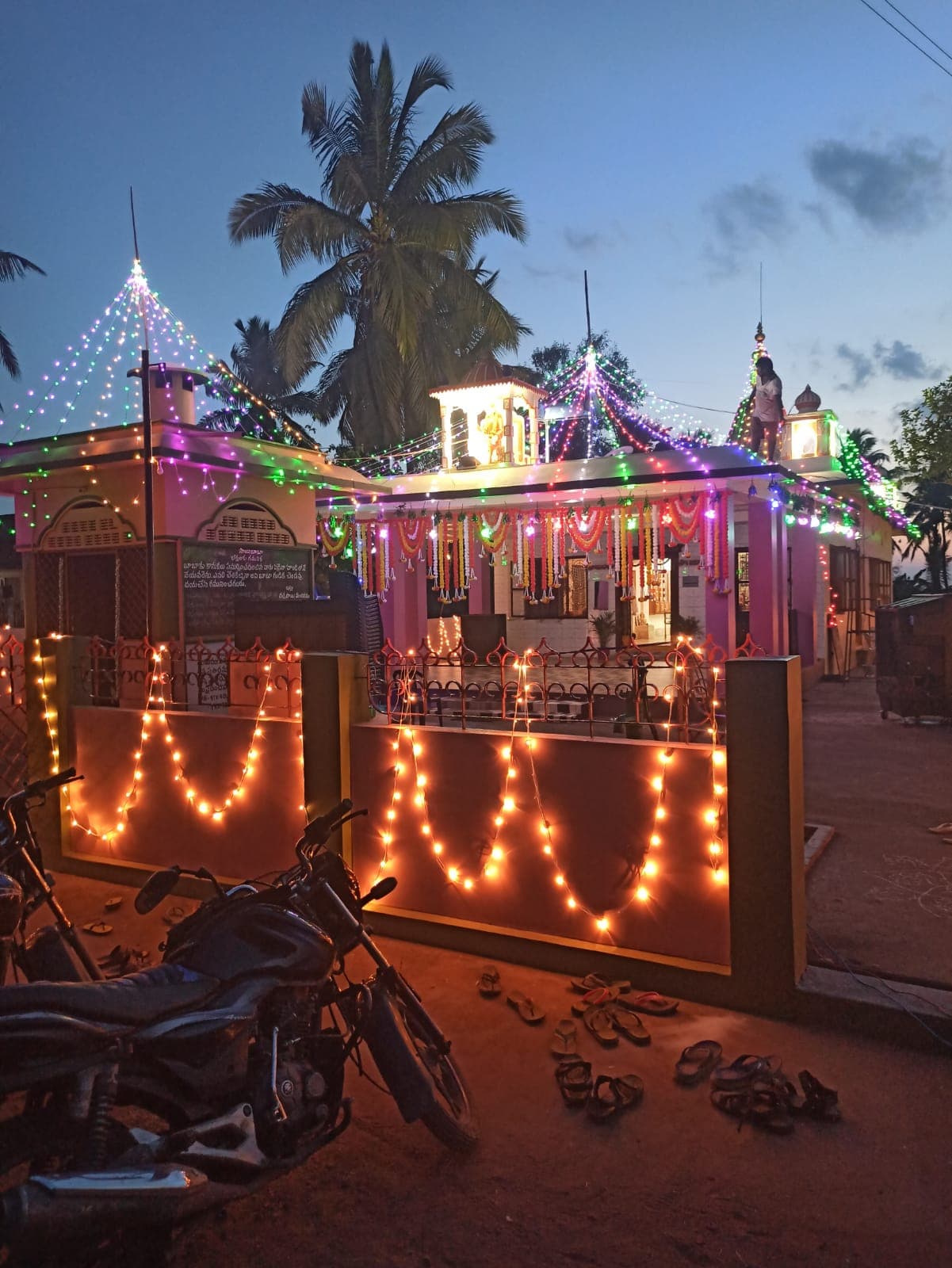
Shirdi's Dwarakamai - The foundation of Chelluru’s Datta Sai Mandiram contains sacred bricks from Baba’s Dwarakamai itself. Moved by Praveen’s intense devotion to Baba, Sri Sivanesan Swami offered the Dwarakamai’s bricks to him.షిర్డీ ద్వారకామాయి – చెల్లూరు లోని దత్త సాయి మందిరం యొక్క పునాదిలో సాయి బాబా ద్వారకామాయికి చెందిన పవిత్రమైన ఇటుకలు ఉన్నాయి. ప్రవీణ్ కి బాబాపై ఉన్న అత్యంత భక్తిప్రపత్తులకు ముగ్ధులై, శ్రీ శివనేసన్ స్వామి వారు ద్వారకామాయికి చెందిన ఇటుకలను ఆయనకు ప్రసాదించారు.
Dhuniధూని
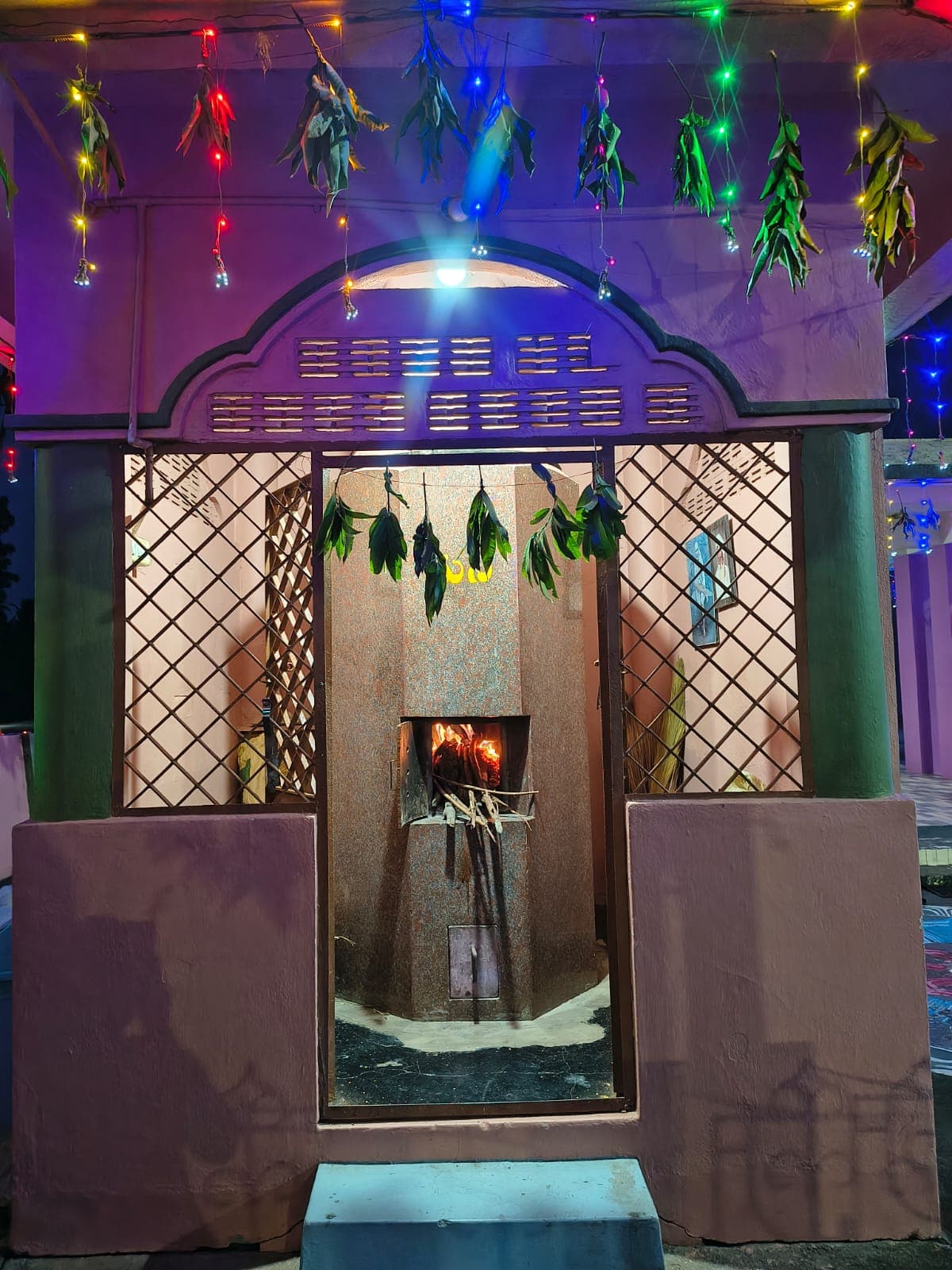
Praveen personally carried the holy fire from Shirdi's Dwarakamai Dhuni — originally lit by Baba's own hands — on a two-day journey to Chelluru, never letting it go out. It was kept safe at the local Rama Temple until the Datta Sai Mandiram’s consecration, then used to light the Dhuni that still burns here today.బాబా స్వహస్తాలతో వెలిగించబడిన షిర్డీ ద్వారకామాయి ధూని నుండి పవిత్రమైన అగ్నిని ప్రవీణ్ రెండు రోజుల పాటు ఏమాత్రం ఆరిపోకుండా స్వయంగా చెల్లూరుకు తీసుకువచ్చారు. దత్త సాయి మందిర ప్రతిష్ఠాపన వరకు దీనిని స్థానిక రామాలయంలో సురక్షితంగా ఉంచారు. ఆ తర్వాత, నేటికీ వెలుగుతున్న ఇక్కడి ధూనిని వెలిగించడానికి ఆ పవిత్ర అగ్నినే ఉపయోగించారు.
Namamనామం
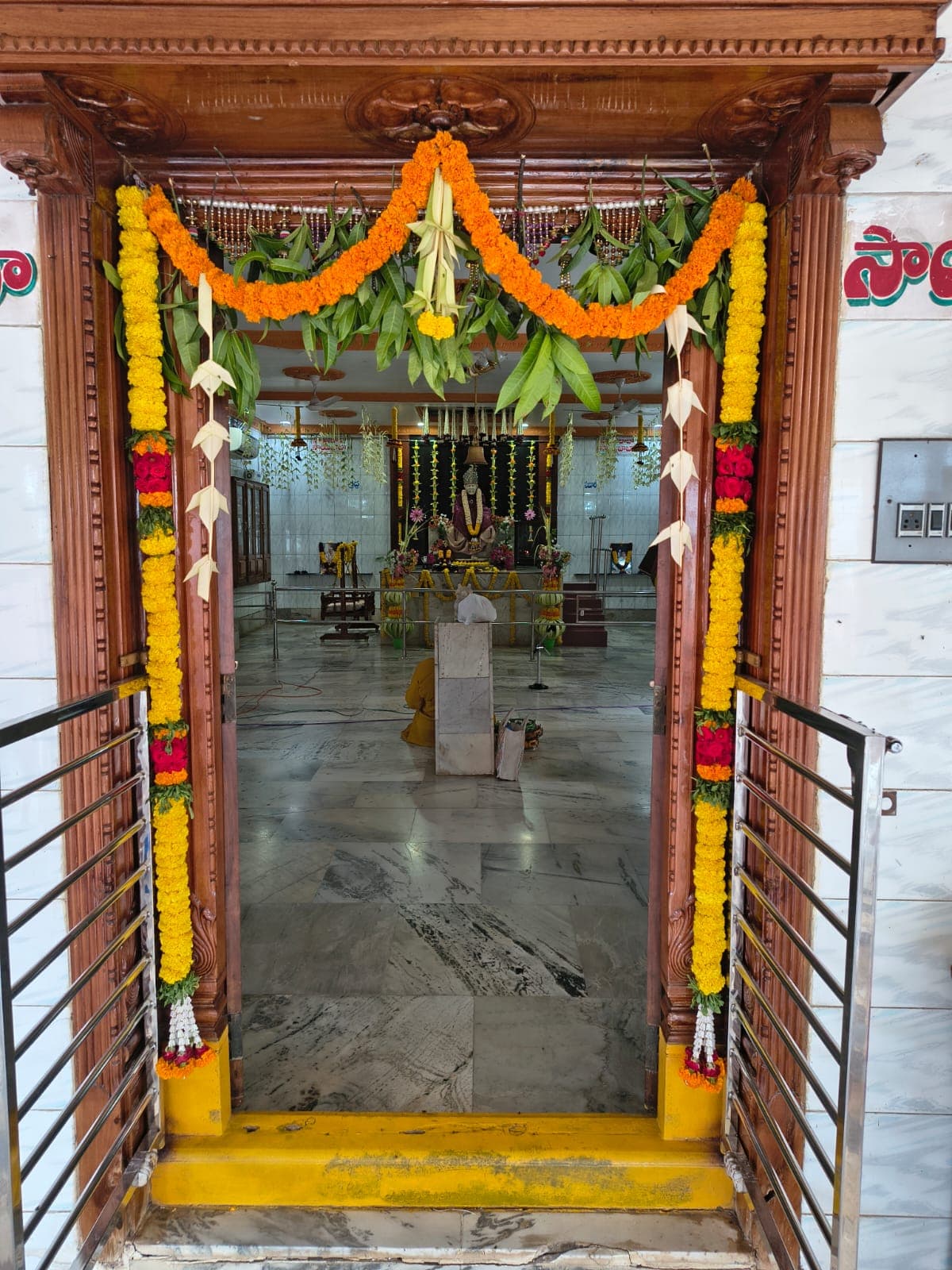
Notebooks containing 11 crore (110 million) repetitions of 'Sai Naam' were placed under the altar (Peetham) beneath the main idol at the time of Vigraha Pratishtha.'సాయి నామం' 11 కోట్లు (110 మిలియన్లు) రాసిన పుస్తకాలను విగ్రహ ప్రతిష్ఠ సమయంలో ప్రధాన విగ్రహం కింద ఉన్న పీఠం అడుగున ఉంచారు.
Whoever asks, and whatever they ask—if you have the power to give, then give.
— Sai Babaసాయిబాబా
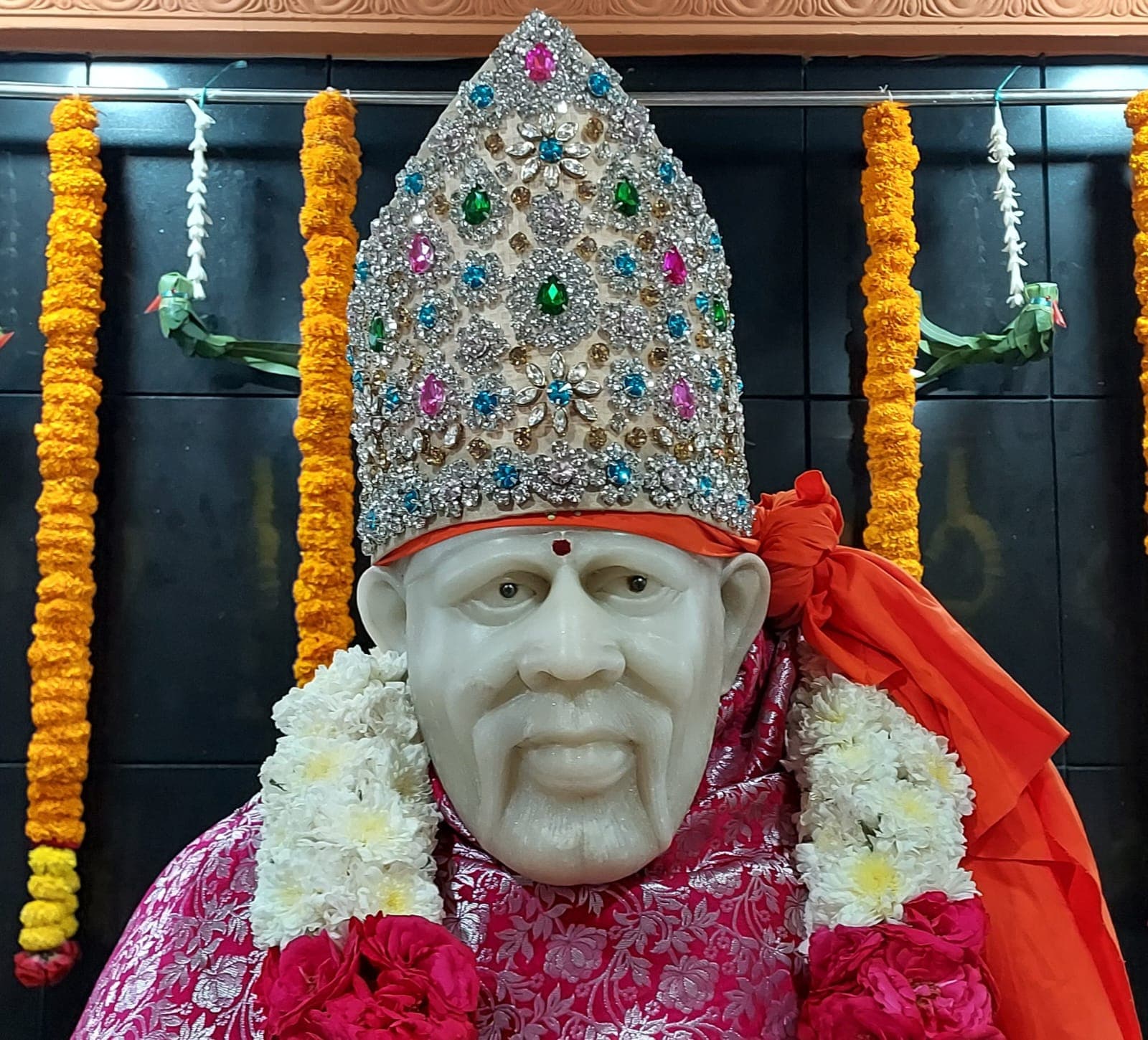
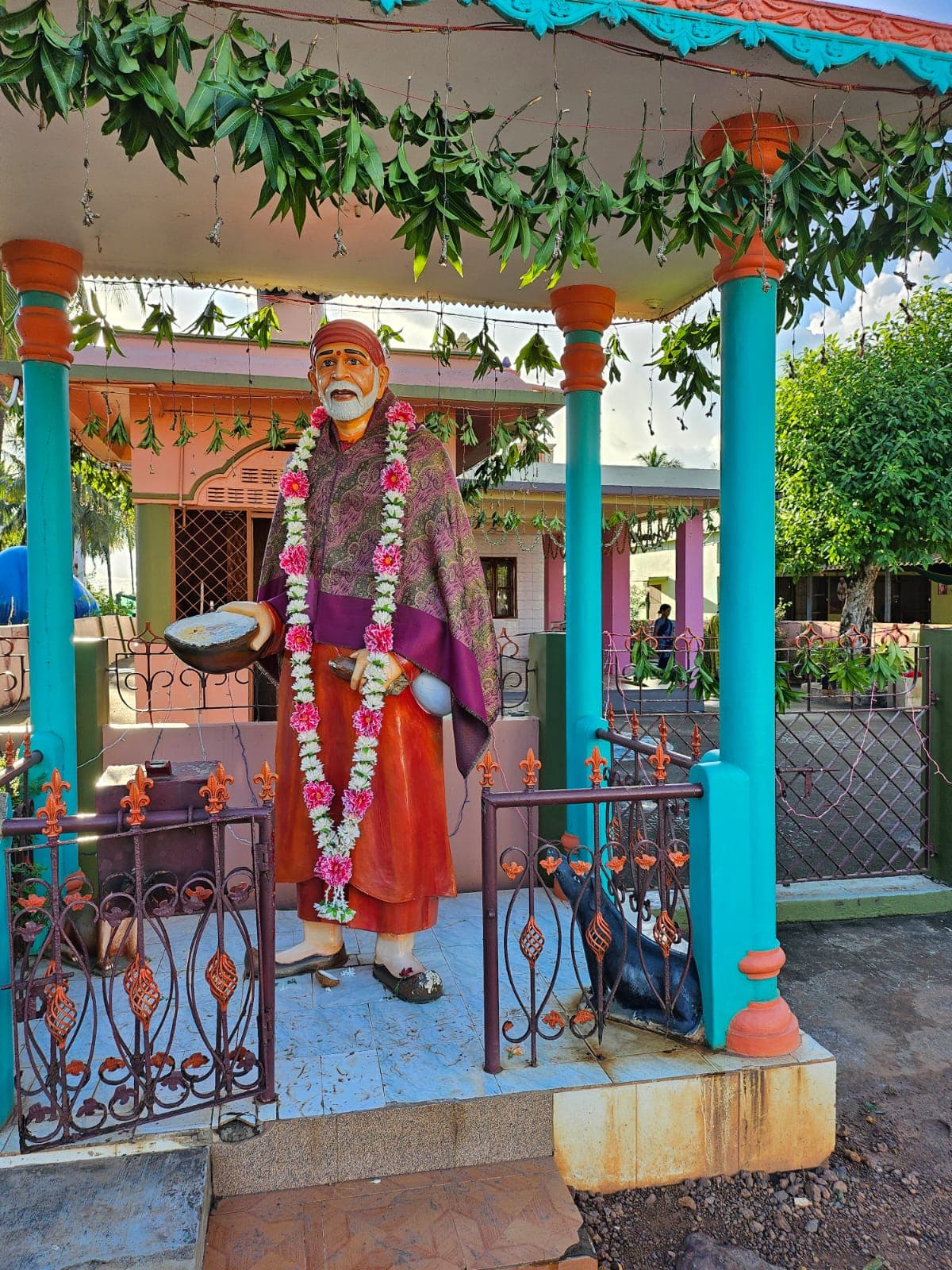
దత్త సాయి మందిరంDatta Sai Mandiram
Chelluru, Andhra Pradeshచెల్లూరు, ఆంధ్రప్రదేశ్
Sri Sivanesan Swamiశ్రీ శివనేశన్ స్వామి
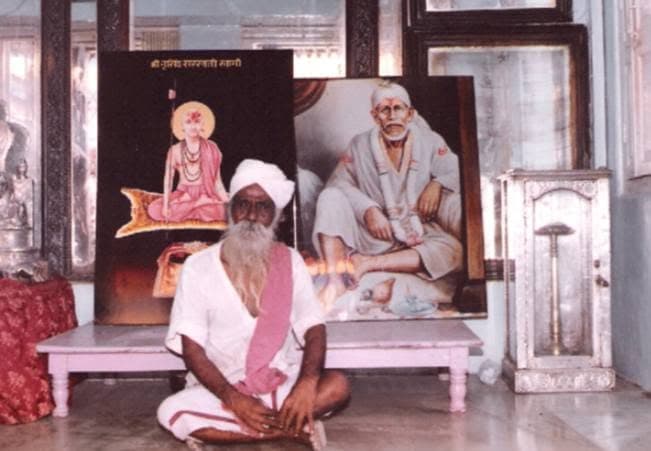
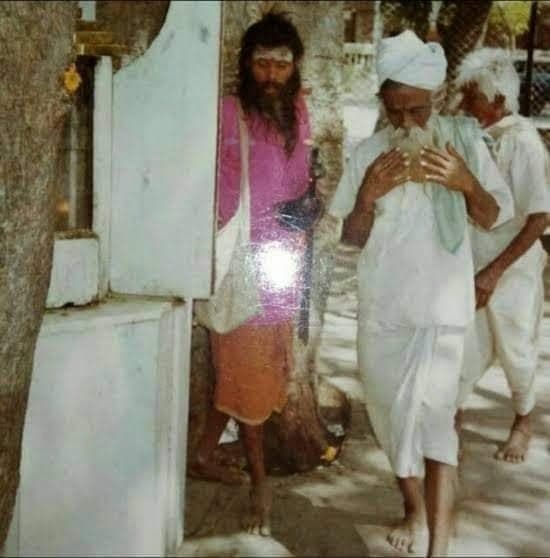
Sivanesan Swami was an apostle of Baba and spread Baba's name throughout the world. He did this by asking devotees to build Baba temples, and to spread the word by writing their experiences, doing Satsang, and Naamam.
Sivanesan Swami was born at Nayakkarpalayam in Coimbatore district on the Ramanavami (i.e. 12th April, 1927) to well-to-do parents. He was the youngest child. He was withdrawn and would often be found meditating in solitude. He was always in search of 'The Light'. After his mother's death, he left his hometown and came to Mumbai. There, he met his mentor and Guru Muthaiah Swami of Vallanadu village. His spiritual progress was rapid, and he learnt much about the Self and Vedanta. He was still longing for 'the light,' and so he still kept looking, passing through several places before finally arriving at Shirdi in 1953. As soon as he stepped into the Dwarkamai, he knew he had found the light. So strong was his connection to Baba that he never left.
His life at Shirdi was full of service. He was always at work repairing and cleaning various temples, but his favourite was Dwarakamai. The lamps of Dwarakamai shone like gold after He cleaned them. He was put in charge of the Chavadi. He looked after it lovingly but never forsook Dwarakamai. In His spare time He would clean the Dwarakamai from top to bottom.
Any dakshina he got, he would use it either to feed the poor or to buy sacred books.
He was a great linguist and could speak 10 languages. He could converse and do satsang with people in their native language. He was also a firm believer in Pradakshina and would rise early to perform it around the Gurusthan, urging other devotees to do the same. He started the Chavadi Bhajans after the evening Arati for an hour. His favourite was "Sai Bhavani" which is sung the world over.
He gave Baba's Udi and Tirtham to everyone who went to see him, and nobody returned empty-handed. After a short illness He took Mahasamadhi on 12th February, 1996.